
5 Business-Critical Reasons to Move from HubSpot to Salesforce CRM + AI
If you're currently using HubSpot but feel boxed in by its limitations, you're not alone. Many growing companies reach a stage where they need more flexibility, deeper automation, and AI that works at scale. That’s where Salesforce—the world’s #1 CRM—comes in.
If you're currently using HubSpot but feel boxed in by its limitations, you're not alone. Many growing companies reach a stage where they need more flexibility, deeper automation, and AI that works at scale. That’s where Salesforce—the world’s #1 CRM—comes in.
Here are five of the biggest reasons our clients are making the switch:
1. Enterprise-Grade AI, Built for Sales
Salesforce’s AI—Agentforce, Einstein, and beyond—is embedded across the platform. That means lead scoring, content generation, forecasting, and next-step recommendations aren’t bolted on—they’re native. For businesses ready to scale with intelligence, this changes everything.
Business impact: Spend less time guessing and more time closing. Automate tasks like lead follow-ups, qualification, and pipeline forecasting.
2. Unified Customer Data, in Real Time
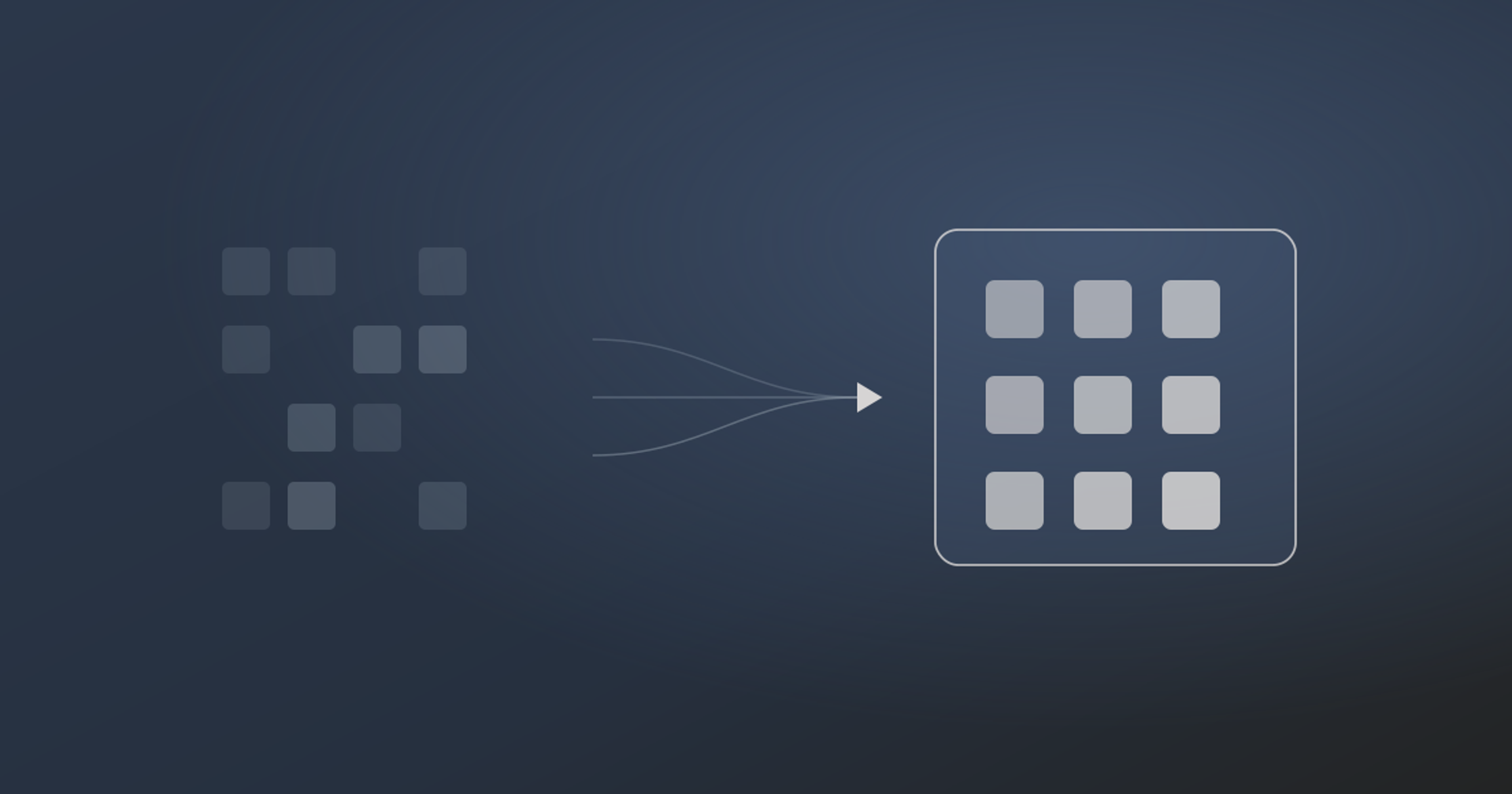
Salesforce Data Cloud brings together data from marketing, sales, service, and external systems into a single view of the customer. HubSpot can sync some data—but it doesn't offer this level of real-time insight or scale.
Business impact: Your reps can act on a full customer picture—what they’ve clicked, asked, bought, or struggled with—right in the CRM.
3. Built for Customization and Growth
HubSpot’s flexibility plateaus fast. Salesforce, on the other hand, can be tailored to match your exact processes—from custom objects and flows to advanced reporting and partner integrations.
Business impact: As your operations evolve, your CRM grows with you—instead of becoming another legacy system to rip out later.
4. Deeper Automation Across Every Department
Salesforce’s automation engine (Flow) can drive everything from internal approvals and cross-sell nudges to AI-powered ticket deflection in Service Cloud. HubSpot’s automation is mostly marketing-focused.
Business impact: Reduce time-to-close, improve customer experience, and eliminate manual handoffs across teams.
5. A Proven Ecosystem to Support You
With thousands of vetted partners, native integrations, and a massive user community, Salesforce is more than software—it’s an ecosystem. HubSpot is simpler to start but lacks the same long-term horsepower.
Business impact: You’re never stuck. There’s always a tool, expert, or integration to take you further.
Thinking Long-Term? Go with the Platform That Grows With You.
Switching CRMs is a major decision—but sticking with a tool that limits your potential may be costing you more than you think. At True Co., we help companies transition from HubSpot to Salesforce the right way—with tailored strategy, no jargon, and a focus on long-term ROI.
👉 Ready to talk? Let’s explore what a switch to Salesforce could unlock for your team.
Ready to elevate your operations?
If your team is ready for the same kind of efficiency boost, let's talk about your path to a more integrated Salesforce setup.
Start the conversationRelated posts